Understanding the forex WebSocket Stream API
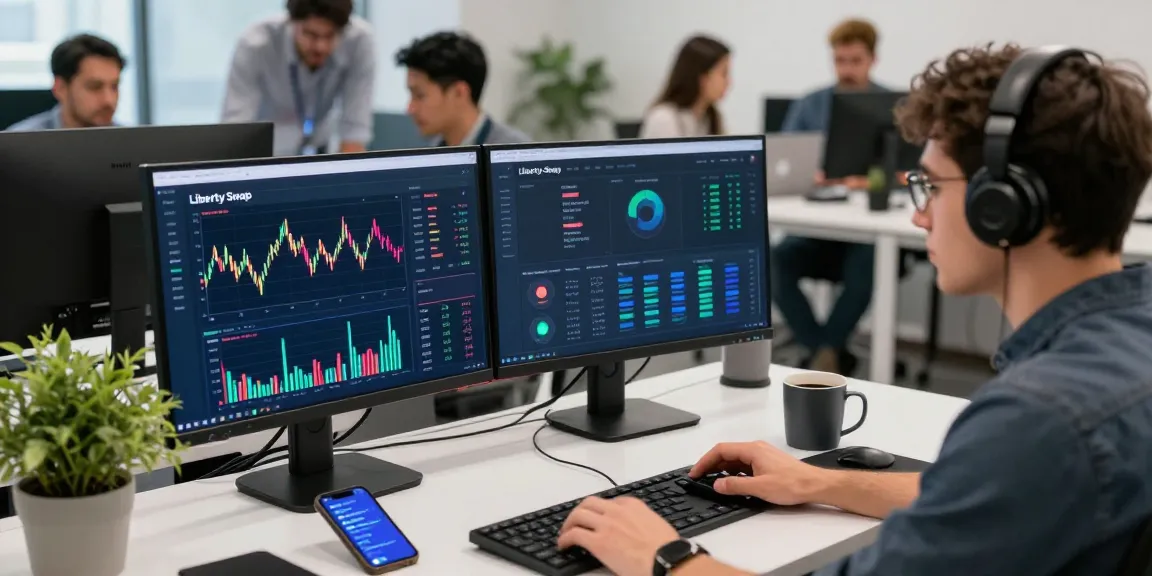
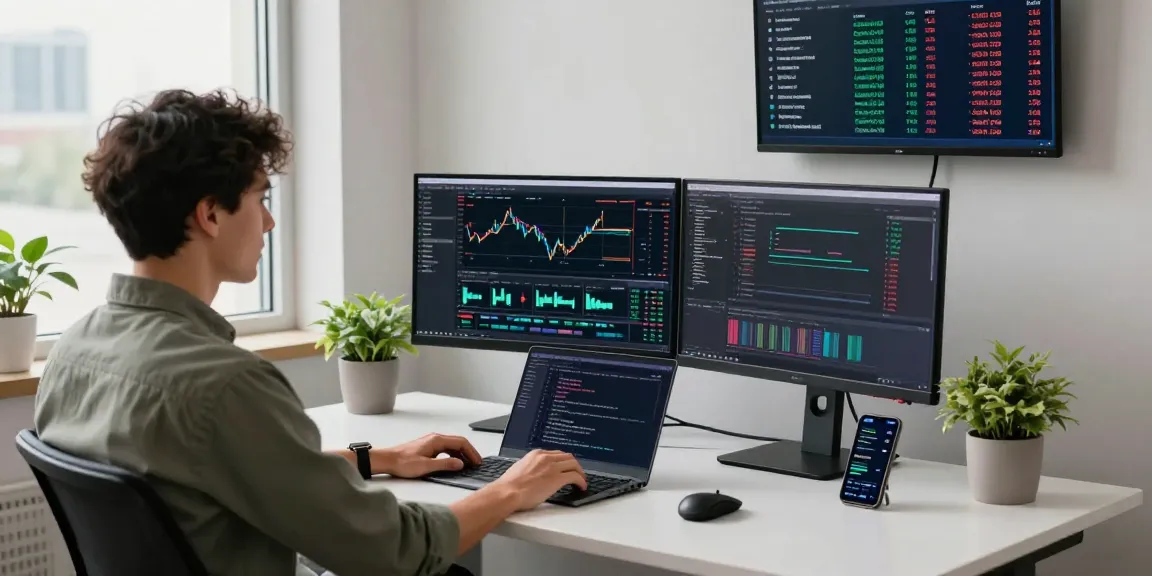
The forex WebSocket stream API is a powerful tool designed for developers and traders who require real-time access to currency data. As the foreign exchange market operates 24/5, having instantaneous updates is crucial for making timely trading decisions. With the ability to receive live exchange rates, trends, and technical analysis, this API offers an unparalleled advantage in the fast-paced world of forex trading. When exploring options, forex WebSocket stream API provides comprehensive insights into market dynamics.
What is a WebSocket API?
A WebSocket API is a protocol that allows for full-duplex communication channels over a single TCP connection. This means that data can be sent and received simultaneously, making it ideal for applications that require real-time information. In the context of forex trading, this continuous connection allows users to receive updates about currency pairs almost instantaneously, which is invaluable for making quick trading decisions.
Key Features of the forex WebSocket Stream API
- Real-Time Data: Receive live updates on over 150 currency pairs, ensuring that you are always informed of market changes.
- Low Latency: With millisecond-level latency, the API ensures that the data you receive is as accurate and timely as possible.
- WebSocket Push Notifications: Get real-time alerts whenever significant market events occur, allowing for immediate action.
- Historical Data Access: Analyze past trends in conjunction with current data for comprehensive market analysis.
- Technical Indicator Support: Utilize essential indicators to enhance trading strategies.
Differences Between WebSocket and REST APIs
The primary distinction between WebSocket and REST APIs lies in their communication approach. REST APIs are generally request-response oriented; a client makes a request, and the server sends back a response. In contrast, WebSocket APIs maintain a persistent connection, allowing for continuous, bi-directional data transmission. This difference becomes critically important in forex trading, where split-second decisions can significantly impact profitability.
Setting Up Your Development Environment
Required Tools and Technologies for Implementation
To implement the forex WebSocket stream API successfully, developers will need various tools and technologies, including:
- Node.js or Python for backend implementation
- WebSocket library (e.g., Socket.IO for JavaScript)
- Text editor or IDE (like Visual Studio Code or PyCharm)
- Postman for API testing
Installation Guide: Step-by-Step Instructions
- Install Dependencies: Set up Node.js or Python, depending on your preferred programming language.
- Initialize Your Project: Create a new project folder and run initialization commands in your terminal.
- Install WebSocket Library: Use npm or pip to install the necessary WebSocket library.
- Connect to API: Write code to establish a connection to the forex WebSocket stream API.
- Test Connection: Use Postman or similar tools to test the API connection and ensure data is being received.
Common Setup Issues and Troubleshooting
While setting up the forex WebSocket stream API, developers may encounter several common issues:
- Connection Timeouts: Ensure the server URL is correct and reachable.
- Data Formatting Errors: Verify that the data being sent and received adheres to expected formats.
- Authorization Problems: Confirm that API keys or tokens are valid and have the necessary permissions.
Integrating the forex WebSocket Stream API with Your Application
Best Practices for API Integration
Integration of the forex WebSocket stream API into your application should follow best practices to ensure scalability and performance:
- Use Asynchronous Programming: Leverage async/await syntax to manage multiple requests without blocking the main thread.
- Implement Robust Error Handling: Use try-catch blocks to manage and log errors effectively.
- Optimize Data Usage: Set up filters to limit the amount of data received to only what is necessary for your application.
Handling Data Streams: Real-Time Updates
When receiving real-time updates from the forex WebSocket stream API, developers must implement efficient data processing strategies. Consider the following:
- Throttling Rate: Limit the frequency of updates to prevent overwhelming the application.
- Data Caching: Store recent data locally to minimize repeated API calls.
- UI Updates: Ensure that your user interface responds instantly to incoming data for enhanced user engagement.
Error Handling and Resilience Strategies
In the world of forex trading, resilience is crucial. Implement strategies to ensure your application can gracefully handle errors:
- Reconnect Logic: Automatically attempt to reconnect to the WebSocket in case of a disconnect.
- Fallback Mechanisms: Use REST API calls as a fallback option when WebSocket is unavailable.
- Monitoring Tools: Integrate monitoring solutions to track performance and detect issues quickly.
Analyzing Real-Time Forex Data
Understanding Market Trends Through API Data
Market trends are essential for making informed trading decisions. By analyzing real-time data from the forex WebSocket stream API, traders can identify:
- Bullish and Bearish Trends: Understand prevailing market conditions based on real-time price movements.
- Price Patterns: Detect formations that may indicate potential trading opportunities.
- Market Sentiment: Gauge trader behavior through volume metrics and price fluctuations.
Technical Indicators and Their Importance
Technical indicators provide deeper insights into market conditions. Utilizing the forex WebSocket stream API allows traders to access a plethora of indicators:
- Moving Averages: Helps identify trends by smoothing out price action over a defined period.
- RSI (Relative Strength Index): Measures the speed and change of price movements, predicting overbought or oversold conditions.
- Bollinger Bands: Provides a volatility envelope around price movements, highlighting potential breakout points.
Case Studies: Successful Applications of API Data
Several trading platforms have successfully leveraged the forex WebSocket stream API to enhance their services:
- Algorithmic Trading Systems: Automated trading strategies use real-time data to execute trades based on pre-defined criteria.
- Market Analysis Applications: Financial institutions analyze trends and market sentiment to inform trading decisions.
- Mobile Trading Apps: Provide users with real-time updates, enhancing their trading experience and engagement.
Future Trends in Forex API Technology
Emerging Technologies and Their Impact on Forex Trading
As technology evolves, so do the capabilities of forex APIs. Emerging trends include:
- Artificial Intelligence: AI-driven algorithms are improving market predictions and trading strategies.
- Blockchain Technology: Enhancements in transparency and security through decentralized ledgers are gaining traction.
- Machine Learning: Using historical data to train models that can predict future market movements more accurately.
Predictions for the Forex Market in 2026
Looking ahead to 2026, experts anticipate significant shifts in the forex market driven by technology:
- Increased Automation: More trading platforms will adopt automated trading strategies to improve efficiency.
- Greater Accessibility: The rise of mobile trading will make forex accessible to a broader audience.
- Enhanced Data Analytics: Sophisticated tools will provide traders with deeper insights and predictive capabilities.
Preparing for Regulatory Changes and Compliance
The forex market is subject to ongoing regulatory changes that require traders to remain compliant:
- Know Your Customer (KYC): Enhanced verification processes for user identities will become the norm.
- Data Protection Regulations: Ensuring that user data is stored and processed in compliance with GDPR and other legislation.
What Challenges Will Developers Face?
While the future of forex API technology looks promising, developers will encounter challenges:
- Integration with Existing Systems: Ensuring seamless compatibility with legacy systems may present difficulties.
- Scalability Concerns: As user demands grow, applications must be capable of handling increased loads.
- Data Security: Protecting user data from breaches and ensuring compliance with regulations will be paramount.
How to Stay Ahead in Fintech Innovations?
Staying ahead in the rapidly evolving fintech landscape requires continuous learning and adaptation:
- Engage in Community Learning: Participate in forums, webinars, and workshops to exchange knowledge with peers.
- Invest in Research: Stay updated on the latest technologies and trends that can impact forex trading.
- Embrace Agile Development: Utilize agile methodologies to remain flexible and responsive to changes in the market.