
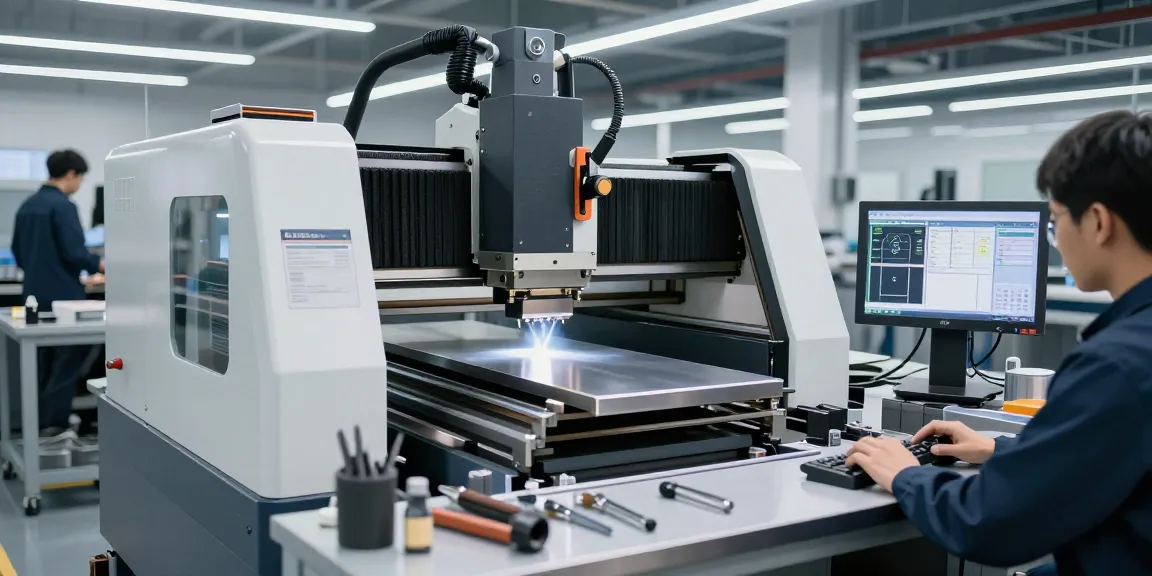
Understanding CNC Press Brake Technology
In today’s fast-paced manufacturing environment, CNC press brakes play a pivotal role in the metal fabrication process. As vital tools for precision bending, they empower manufacturers to shape various metals into complex forms with enhanced accuracy and efficiency. From automotive parts to construction materials, the applications are broad and varied. The modern CNC (Computer Numerical Control) press brake integrates advanced technology, which not only improves productivity but also significantly reduces operational costs. When exploring options, cnc press brake systems stand out as a comprehensive solution for both small-scale and large-scale operations.
What is a CNC Press Brake?
A CNC press brake is a machine used for bending sheet and plate material, primarily metal. The CNC technology allows for automation and precision in the bending process by using a computer program to control the machine’s movements. Unlike manual press brakes, which require a skilled operator to physically maneuver the machine, CNC press brakes enhance production efficiency by providing repeatability and high-level accuracy, making them suitable for complex designs.
Core Components of CNC Press Brakes
Understanding the core components of a CNC press brake is essential for both operators and decision-makers in manufacturing. The main elements include:
- Frame: The structure that supports the machine and withstands the operational stress during bending.
- Ram: The moving component that drives the tooling towards the workpiece.
- Backgauge System: This component positions the workpiece to ensure consistent bending angles.
- CNC Controller: The brain of the operation, it processes the programming and coordinates the movements of the ram and backgauge.
- Tooling: Specialized punches and dies that determine the shape and angle of the bend.
Types of CNC Press Brakes
There are several types of CNC press brakes, each designed for specific bending applications. They include:
- Hydraulic Press Brakes: Utilize hydraulic fluid to exert force, providing strong and powerful bending capability.
- Mechanical Press Brakes: Rely on mechanical linkage for bending, often used for simpler operations.
- Servo Press Brakes: Combine hydraulic power with servo motors for greater precision and efficiency.
- Hybrid Press Brakes: Mix hydraulic and mechanical elements, offering advantages from both technologies.
Implementation of CNC Press Brake Systems in Manufacturing
Implementing CNC press brake systems in a manufacturing setup involves several key steps to ensure optimal performance and integration.
Selecting the Right CNC Press Brake for Your Needs
Choosing the ideal CNC press brake depends on various factors, including material type, thickness, and desired bending complexity. Evaluating the specifications and capabilities of different models ensures that manufacturers match the right equipment to their unique project requirements.
Integrating CNC Systems with Existing Infrastructure
Successful implementation also involves integrating the CNC press brake with existing production lines and machinery. This might include synchronization with other CNC machines, managing material handling systems, and ensuring software compatibility.
Safety and Compliance Measures for CNC Operations
Safety is paramount when operating CNC press brakes. Operators should be trained on safety protocols, including the use of protective equipment and emergency shutoff procedures. Additionally, compliance with industry standards for CNC machinery is crucial to avoid legal issues and ensure operational safety.
Optimizing the Performance of CNC Press Brakes
To maximize the output and lifespan of CNC press brakes, optimization techniques can be employed across various operational aspects.
Tuning for Precision and Efficiency
Calibration of CNC press brakes is essential for maintaining accuracy. Regular checks and adjustments can help ensure that the machine operates within its specified tolerances, thus reducing waste and improving product quality.
Maintaining CNC Press Brake Machines
Routine maintenance schedules can prevent unexpected breakdowns. This includes checking hydraulic fluid levels, inspecting hydraulic lines for leaks, and ensuring that electronic systems function correctly. A well-maintained machine not only performs better but can also extend the equipment’s lifespan.
Implementing Automation in Press Brake Operations
Incorporating automation, such as robotic arms or automated material loading systems, can enhance productivity further. Automating tedious and repetitive tasks allows operators to focus on more complex processes, increasing overall throughput.
Comparative Analysis of CNC Press Brake Models
With advancements in technology, several models exist with varied features catering to different manufacturing needs.
WEK Series vs. WSK Series: Features and Benefits
The WEK series of CNC hydraulic press brakes offers robust capabilities for standard bending processes, whereas the WSK series focuses on energy efficiency and eco-friendly technology. Understanding the specific advantages of these models can aid businesses in selecting the most appropriate equipment.
Evaluating Hybrid and Robotic Press Brakes
Hybrid models are designed to reduce energy consumption while maintaining performance. Robotic press brakes can enhance flexibility in bending operations, providing significant efficiencies, especially in high-volume manufacturing scenarios.
Cost-Effectiveness and ROI of Advanced CNC Technologies
Investing in advanced CNC technologies may have higher initial costs, but the long-term benefits in efficiency and reduced labor costs can lead to a strong return on investment (ROI). Analyzing the lifecycle costs and benefits can provide insights into the value gained from these sophisticated machines.
Future Trends in CNC Press Brake Technology
The landscape of CNC press brake technology is continually evolving, with several emerging trends shaping the future of metal fabrication.
Advances in CNC Controller Systems
With faster processors and improved user interfaces, new CNC controller systems are emerging that allow for easier programming and operation of the machines. These advancements facilitate sophisticated features, such as real-time monitoring and predictive maintenance alerts.
The Role of AI in Enhancing CNC Operations
Artificial Intelligence (AI) is gradually being incorporated into CNC operations to optimize performance, predict failures, and enhance adaptive learning for machines. The integration of AI algorithms can lead to tailored programming and improved manufacturing precision.
Emerging Technologies and Their Impact on Metal Fabrication
Technological innovations such as machine learning and IoT (Internet of Things) are set to transform CNC press brakes into self-diagnosing, fully networked machines that enhance automation and efficiency across manufacturing.
Frequently Asked Questions About CNC Press Brakes
For many potential buyers and users, navigating the world of CNC press brakes can be daunting. Below are some frequently asked questions.
What is the typical lifespan of a CNC press brake?
The lifespan of a CNC press brake varies based on usage and maintenance. With proper care, they can last up to 20 years or more. Regular maintenance is key to extending the life of the machine.
How can I improve the efficiency of my CNC press brake?
Improving efficiency can be achieved through regular calibration, maintaining cleanliness, optimizing tooling setup, and employing automation wherever possible. Training operators on best practices can also lead to significant efficiency gains.
What safety features should be included in a CNC press brake?
Essential safety features include emergency stop buttons, safety enclosures, light curtains, and proper guarding of moving parts. These features should be specific to comply with safety regulations in the location of operation.


