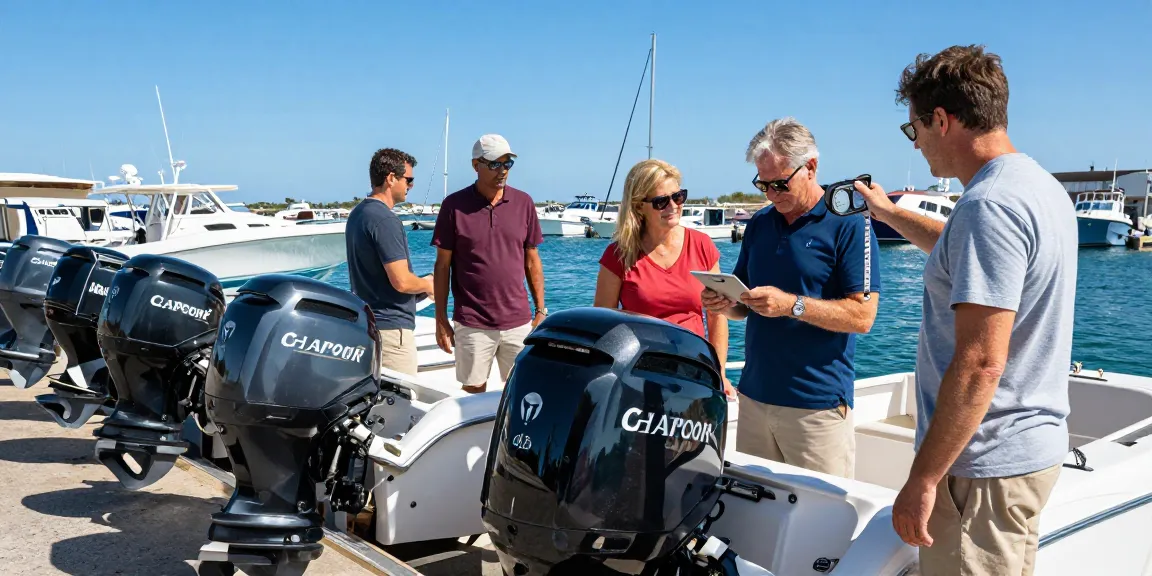
Understanding the Used Outboard Engine Market
The used outboard engine market in the USA has seen significant changes in recent years, driven by evolving consumer preferences, technological advancements, and the growing demand for outdoor recreational activities. As boating enthusiasts look for cost-effective alternatives to new engines, the market for second-hand options has broadened, making it essential for buyers to be well-informed. This article explores the current trends, evaluates the key factors influencing prices, and highlights popular brands and models available for consumers in the market. When exploring options, used outboard engine USA provides comprehensive insights that can aid your purchasing decision.
Current Trends in the Used Outboard Engine USA Market
The demand for used outboard engines in the USA is currently on the rise due to several factors. One major trend is the increasing popularity of boating activities, such as fishing and leisure cruising, particularly among families and younger demographics. With the COVID-19 pandemic encouraging outdoor activities, more individuals have turned to boating as a safe and enjoyable pastime. As a result, the market for second-hand outboard engines has expanded, as many consumers seek affordable options to get onto the water without the hefty price tag of purchasing new equipment.
Additionally, sustainability has become a central theme in various industries, including boating. Consumers are increasingly inclined to choose used engines as a means of reducing their environmental footprint and minimizing waste. The shift towards a circular economy, where second-hand goods are reused and recycled, is helping to fuel the growth of the used outboard engine market.
Key Factors Influencing Prices of Used Outboard Engines
Several factors play a crucial role in determining the prices of used outboard engines. Among the most significant are:
- Age and Condition: The age and overall condition of an engine are the primary determinants of its market value. Engines that have been well-maintained and have low hours of usage tend to command higher prices.
- Brand Reputation: Popular brands with a strong reputation for quality and reliability, such as Yamaha, Mercury, and Honda, often retain their value better than lesser-known brands.
- Specifications and Features: Engines with advanced features or specifications, such as fuel efficiency and lightweight design, can influence pricing. Consumers may be willing to pay a premium for engines that promise better performance.
- Market Demand: The overall demand for used outboard engines can fluctuate seasonally and based on economic conditions, affecting prices. Peak seasons for boating often see inflated prices due to increased interest.
- Location: Regional demand and availability can significantly influence pricing. Areas with a robust boating culture may have higher prices than regions where boating is less common.
Popular Brands and Models Among Consumers
When it comes to purchasing used outboard engines, certain brands and models are more favored by consumers due to their reliability and performance. Some of these include:
- Yamaha: Known for their robust performance and advanced technology, Yamaha outboard engines are a top choice in the used market, especially their F-series.
- Mercury: Mercury’s Optimax and FourStroke series are highly sought after for their fuel efficiency and reduced emissions, making them a popular choice among environmentally conscious buyers.
- Honda: Honda outboards are celebrated for their durability and quiet operation, particularly their BF series, which combines performance with reliability.
- Evinrude: Evinrude engines, particularly the E-Tec series, are appreciated for their power and efficiency, appealing to avid fishermen and recreational boaters alike.
Evaluating Used Outboard Engines
Before purchasing a used outboard engine, it is crucial to evaluate its condition and performance thoroughly. A well-assessed engine can make the difference between a rewarding investment and a costly mistake.
How to Assess Engine Condition and Performance
When evaluating a used outboard engine, prospective buyers should consider the following:
- Visual Inspection: Check for any visible signs of wear, corrosion, or damage. Look for frayed wires, rust spots, and leaks, particularly around the oil tank and fuel lines.
- Engine Hours: Request the engine’s hour meter reading. Fewer hours generally indicate less wear and tear, but also inquire about previous usage conditions.
- Test Run: If possible, conduct a test run of the engine in water. Pay attention to the engine’s starting, idling, and acceleration. Listen for any unusual noises that could indicate issues.
- Maintenance Records: Ask for maintenance logs or records to determine if the engine has been regularly serviced and maintained.
Understanding Engine Specifications and Features
Understanding the specifications of an outboard engine is vital in ensuring it meets your needs. Key specifications include:
- Horsepower: This determines the engine’s performance and capability, particularly when towing or carrying heavy loads.
- Fuel Type: Consider whether the engine runs on gasoline or diesel. The type of fuel can affect running costs and availability.
- Engine Weight: Ensure the engine’s weight is suitable for your boat’s design to avoid compromising stability and performance.
Mechanics of an Outboard Engine: What to Inspect Before Buying
In-depth inspection of mechanics is crucial before finalizing a purchase. Key areas to inspect include:
- Propeller Condition: Examine the propeller for nicks, cracks, or bends as these can affect performance.
- Lower Unit Inspection: Check the lower unit for fluid leaks and signs of water intrusion, which are critical for overall engine performance.
- Electrical Components: Inspect wiring and connectors for corrosion and wear, ensuring a reliable electrical system.
Buying Strategies for Used Outboard Engines
Knowing how to approach the buying process can significantly enhance your chances of securing a great deal on a used outboard engine.
Best Practices for Negotiating Prices
Effective negotiation can lead to substantial savings. Here are some strategies:
- Do Your Research: Understand the market value of the engine model you are interested in. This knowledge allows you to negotiate confidently.
- Be Prepared to Walk Away: Show your willingness to walk away if negotiations do not meet your budget. This can encourage sellers to reconsider their price.
- Highlight Issues: If you notice any issues during your inspection, use them as leverage to negotiate a better price.
Where to Find Quality Used Outboard Engines
Finding reliable sources for used outboard engines can be challenging. Consider the following options:
- Online Marketplaces: Websites like Craigslist, eBay, or specialized boating forums often have listings for used engines.
- Boat Shows: Attending boat shows can provide direct access to sellers and allow you to compare several options in one location.
- Local Dealers: Some dealers engage in trade-ins, offering a selection of used engines that have been inspected and refurbished.
Common Pitfalls to Avoid in the Buying Process
To avoid costly mistakes during your purchase, be mindful of these common pitfalls:
- Rushing the Purchase: Take your time to assess various options. Rushing can lead to overlooking critical factors.
- Ignoring Documentation: Always request and review documentation related to the engine’s history, including maintenance and repair records.
- Neglecting a Test Run: Failing to conduct a test run can result in unforeseen issues during usage, leading to costly repairs down the line.
Maintenance and Care for Used Outboard Engines
Proper maintenance is essential to prolong the life and performance of your used outboard engine. Here are some best practices.
Essential Maintenance Tips to Extend Engine Life
To keep your engine running smoothly, consider these maintenance tips:
- Regular Oil Changes: Adhering to the manufacturer’s recommended oil change intervals is vital for engine health.
- Check Fuel Conditions: Ensure only clean, fresh fuel is used and routinely check for water or contaminants in the fuel system.
- Inspect Cooling System: Regularly check the water pump and cooling system to avoid overheating.
Seasonal Checklists for Outboard Engine Care
Regular seasonal maintenance can help ensure optimal performance throughout the year:
- Spring: Change the oil, inspect the propeller, check fuel lines, and conduct a thorough examination of electrical systems.
- Summer: Monitor cooling systems and ensure the engine is clean and free from debris.
- Fall: Winterize the engine by flushing the cooling system and add fuel stabilizer before storage.
Identifying and Troubleshooting Common Problems
Even with due diligence, issues may arise. Here are common problems and troubleshooting steps:
- Engine Won’t Start: Check the battery, fuel supply, and ignition system.
- Overheating: Inspect for blockages in the cooling system and ensure the water pump is functioning properly.
- Fuel Leaks: Look for damaged fuel lines and connections, address them immediately to prevent fire hazards.
Future of the Used Outboard Engine Industry
As we look towards 2026, the used outboard engine industry is poised for transformations influenced by technology and consumer preferences.
Emerging Technologies Impacting Outboard Engines
Technological advancements are shaping the future of outboard engines, with innovations such as:
- Electric Outboards: The shift towards electric propulsion is growing; these engines offer quieter operation and reduced emissions.
- Smart Technologies: Integrating smart technologies into outboards allows for better monitoring and diagnostics, improving usability and maintenance.
Shifts in Consumer Preferences Toward Environmental Sustainability
There’s a trending preference among consumers for sustainable practices in boating. Outboard engine manufacturers are increasingly focusing on producing engines that are easier on the environment while maintaining performance standards—this includes innovations in hybrid technology and more efficient fuel systems.
Predictions for the 2026 Outboard Engine Market
Looking ahead, the outboard engine market is expected to grow with improvements in sustainability, increasing demand for recreational boating, and the expansion of the electric engine segment. These factors will likely lead to a more competitive pricing landscape, benefiting consumers looking for used outboard options.
What are the benefits of buying used outboard engines?
Purchasing used outboard engines offers several advantages, including lower costs, immediate availability, and the potential for finding high-quality models that have been well-maintained. For many boaters, the decision to buy used is a financially sound choice that allows them to enjoy boating without breaking the bank.
How can I determine the best used outboard engine for my needs?
Evaluating your specific boating needs, such as the type of activities you plan to engage in, the size and type of your boat, and your budget, will guide you in selecting an appropriate used outboard engine. Researching popular brands and models can also help you make an informed decision.
What maintenance should I perform on my used outboard engine?
Regular maintenance tasks include oil changes, checking fuel quality, inspecting the cooling system, and performing seasonal preventive checks, as outlined earlier in the article. Keeping up with maintenance will extend the lifespan of your engine and ensure reliable performance.
Where can I find reliable sellers for used outboard engines?
Reliable sellers of used outboard engines can be found through online marketplaces, local dealers, or boat shows. Ensure to verify their reputation and request engine histories to guarantee a wise investment.
What are the most common issues with used outboard engines?
Common issues faced by used outboard engines include starting problems, overheating due to cooling system failures, and fuel leaks. Proper inspections and regular maintenance can help mitigate these issues and enhance the engine’s lifespan.